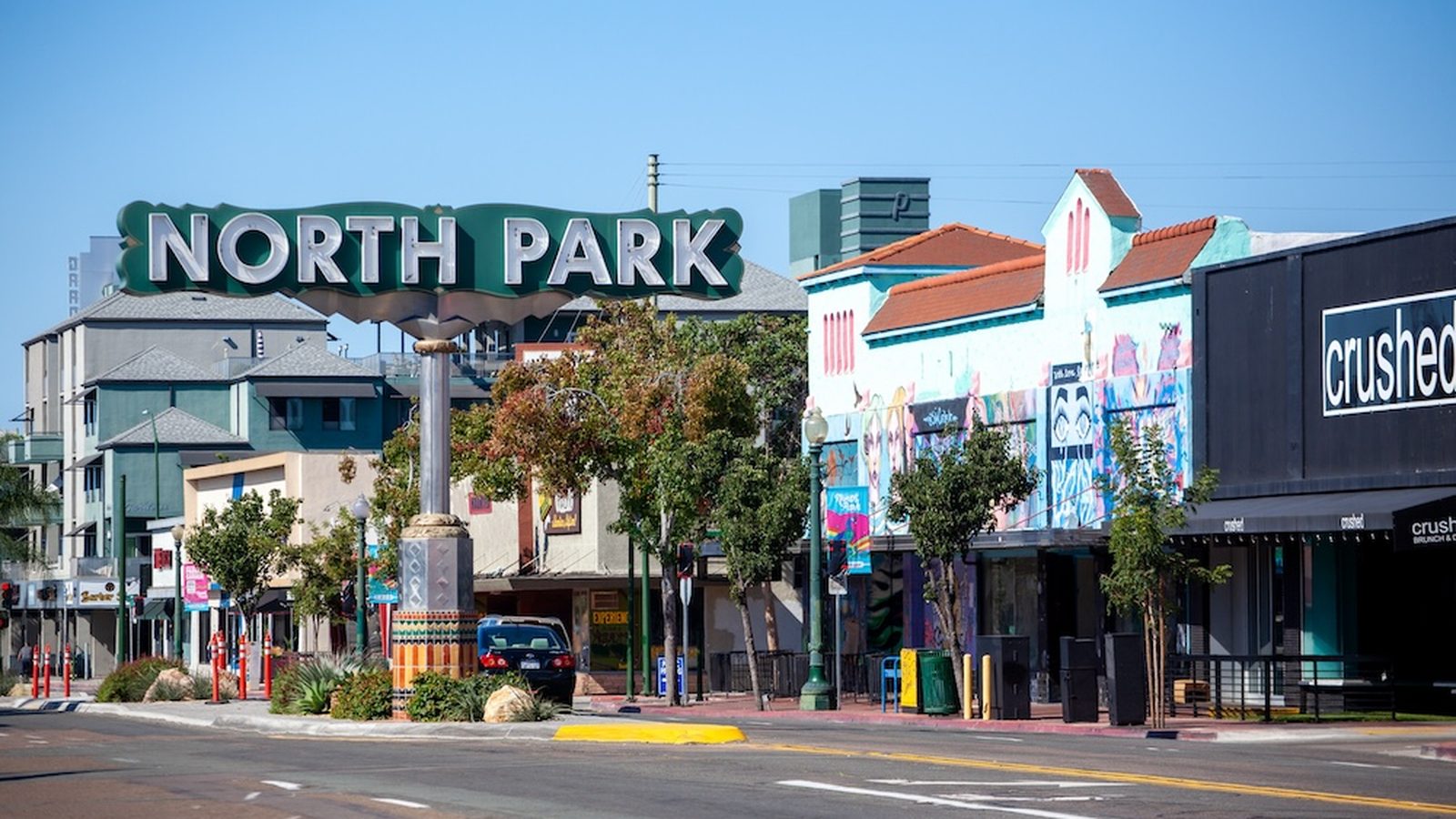
Galvanized Water Pipes in Your North Park Home: Repipe Before Listing or Credit?
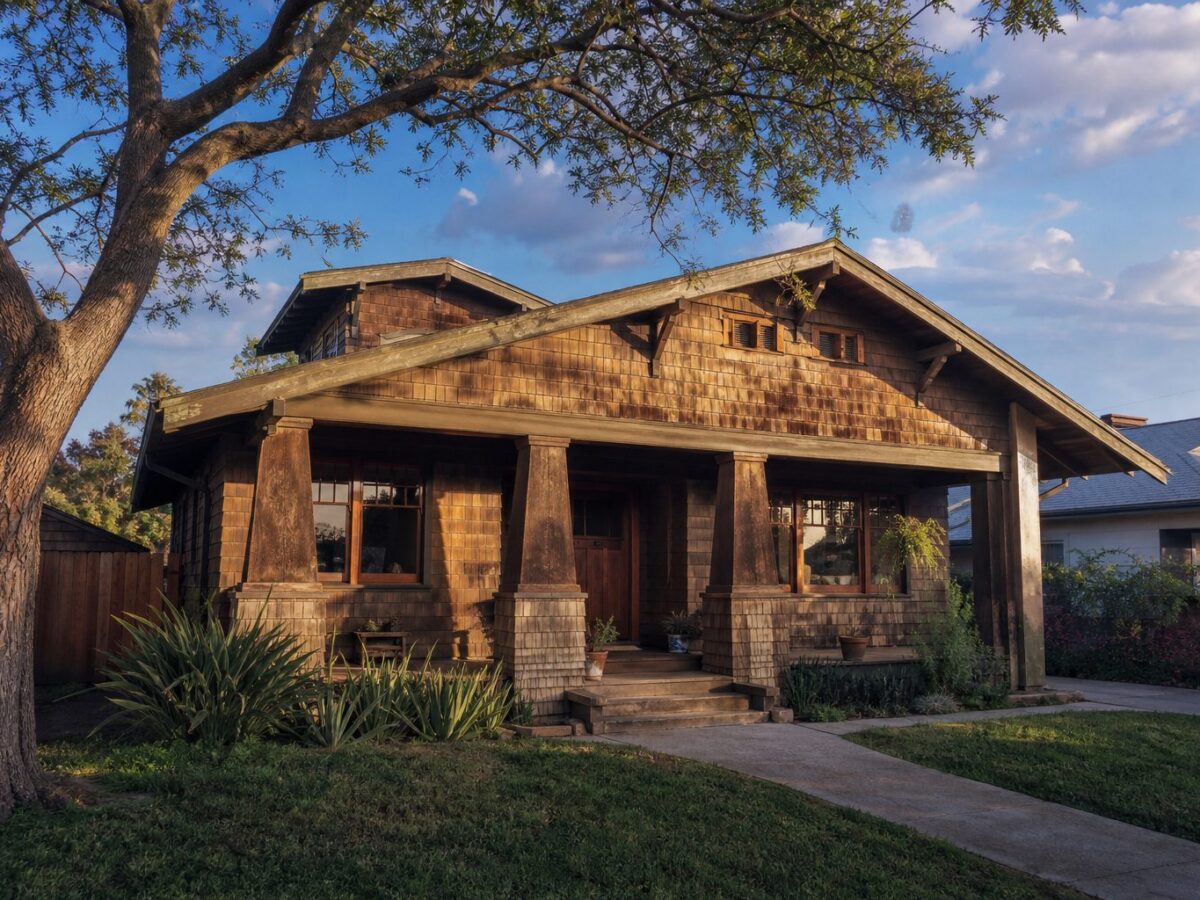
If your North Park home still has galvanized water pipes, should you repipe before listing or offer buyers a credit at closing? And what about the old sewer line?
In most cases, repiping before you list a North Park home gives you a cleaner sale, fewer renegotiations, and faster closing. For the sewer line, epoxy lining is the fix we see most in North Park, at about $80 to $250 per foot. The right answer depends on your price point, timeline, and how visible the symptoms are.
Why Galvanized Pipes Are a North Park Seller’s Top Concern Right Now
If you own a home in North Park, there’s a strong chance you’re sitting on galvanized pipes. The neighborhood’s iconic Craftsman bungalows, Spanish Revival homes along Lincoln Avenue and 32nd Street, and the classic bungalow rows near Arnold Avenue and 30th Street were almost all built before 1970, and galvanized steel was the standard plumbing material of that era.
Here’s why this matters in 2026: North Park’s detached home market is competitive. (See current prices on our 92104 home values page.) Yet 28 listings came off the market without selling in Q3 2026 alone, sitting a median of 46 days before expiring, being canceled, or withdrawn. Old plumbing disclosure items, especially galvanized pipes, are one of the most common reasons a buyer pulls back or demands a steep concession.
With 540+ homes sold by our team, mostly in North Park and nearby metro areas, since 2004, I can tell you from direct experience: galvanized pipes show up on nearly every inspection in this ZIP code. The question isn’t whether your buyer will find them. It’s whether you’ve already addressed the issue before they do.
What Galvanized Pipes Actually Do to Your North Park Listing
So what happens when a buyer’s inspector flags galvanized pipes? Let me walk you through the reality.
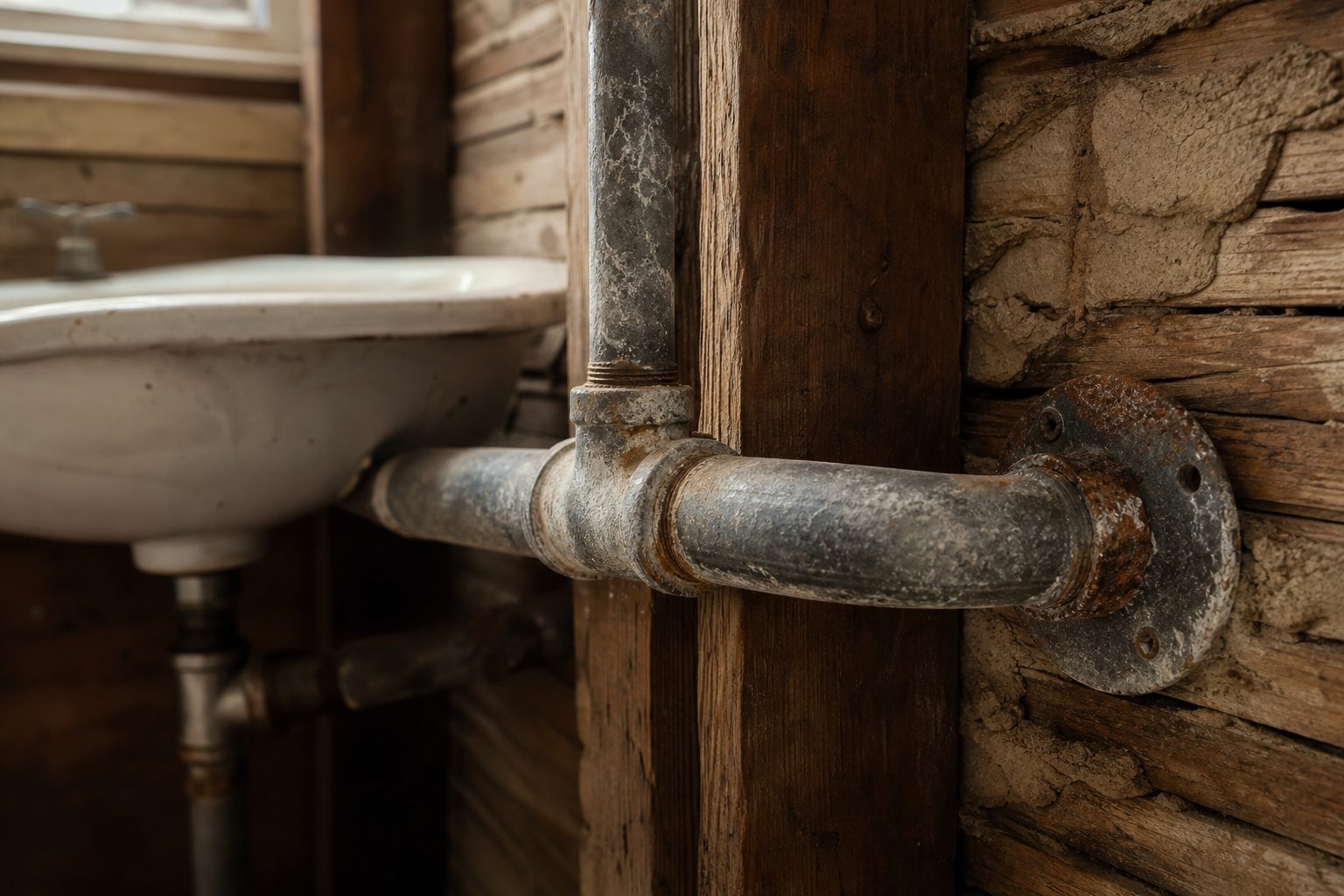
Galvanized steel corrodes from the inside out. Over decades, mineral deposits and rust build up inside the pipe walls, restricting water flow. The signs you’ll notice include recurring leaks, rusty or discolored water, low water pressure in multiple fixtures, and visible corrosion on exposed pipes. Replacing individual sections does not solve the underlying problem, because corrosion affects the entire system. Spot repairs often lead to additional leaks nearby, and the interval between repairs tends to shorten over time as more sections reach the end of their lifespan.
For buyers, seeing “galvanized pipes” in an inspection report triggers a mental alarm. They picture burst pipes, water damage, drywall repairs, and the hassle of a full repipe while living in the home. In a market where North Park homes under $1M sell in about 8 days at 100.4% of list price (per Q3 2026 SDMLS data), that kind of buyer hesitation can be the difference between multiple offers and a stale listing.
What I tell my clients is simple: you need to know the condition of your plumbing before a buyer does. That way you control the narrative instead of reacting to it.
The Repipe Cost in San Diego: What You’ll Actually Pay in 2026
You need real numbers to make this decision. Here’s what the data shows for San Diego repipe costs in 2026:
- Whole-house repipe in San Diego: $4,880 to $18,310, with an average of $9,160, per industry cost data for 2026
- PEX repipe for a 1,500 to 2,500 square foot home in San Diego: $7,000 to $12,000, with a midpoint of $9,500
- Copper repipe for the same size: $12,000 to $20,000, with a midpoint of $16,000
- Labor typically accounts for about 70% of the project cost, with materials making up the remaining 30%
For a typical North Park Craftsman bungalow (roughly 1,200 to 1,500 square feet, two bedrooms, one bathroom), you’re looking at $5,000 to $10,000 for a PEX repipe based on 2026 San Diego pricing.
Now compare that to the cost of not repiping. A single galvanized pipe repair in California runs $1,500 to $3,500, per 2026 California cost data. Two or three repairs over a few years adds $4,500 to $10,500 to your running total. A whole-home repipe at $6,000 to $14,000 in California ends that cycle permanently.
Most repipe projects wrap up in one to two days, with water restored each evening and drywall patched when the job is complete. It’s not the weeks-long ordeal many sellers imagine.
Epoxy Sewer Line Lining: What Most North Park Sellers Deal With
Your water pipes are only half the story. Most North Park homes also have an original cast iron or clay sewer line running from the house to the street. A buyer’s sewer camera inspection checks this line, and cracks, roots, and rust show up often in homes this old.
The fix we see most in North Park is epoxy lining. A plumber cleans out the old pipe, then pulls or sprays an epoxy liner inside it. The liner cures and forms a new pipe inside the old one. No trench through your yard, driveway, or front steps.
What epoxy sewer lining costs per foot in 2026:
- Cured-in-place (CIPP) lining: $90 to $250 per linear foot, per HomeGuide
- Spin-cast epoxy lining: $80 to $250 per linear foot, per HomeGuide
- 3 to 4 inch residential sewer lateral: $80 to $200 per linear foot, per NuFlow contractor pricing from January 2026
- Average: about $150 to $165 per foot, the middle of those ranges
Here’s the math for a typical home. A 40 to 60 foot sewer lateral costs $5,000 to $15,000 to line, per NuFlow’s January 2026 pricing. At $150 per foot, a 50-foot line runs about $7,500. Add a camera inspection ($125 to $500) and hydro jetting to clean the pipe ($350 to $600), and you land around $8,000 to $8,600.
Bill Howe, one of San Diego’s largest plumbing companies, guarantees its sewer lining for 15 years on the lined section and rates the liner for more than 50 years of life.
Where sewer lining falls short:
- A collapsed or badly separated pipe needs replacement or pipe bursting instead
- The warranty covers only the section that was lined, so ask exactly which feet are included
- Every job needs a camera inspection first to confirm the pipe is a good candidate
What I tell sellers: order your own sewer camera inspection before you list. If it shows roots or cracks, get a lining bid and decide whether to line it or offer a credit, the same way you decide on the water pipes. If you line it, keep the before and after video, the invoice, and the warranty. Buyers believe video.
A quick note on water pipes: epoxy lining also exists for water supply lines. It leaves the galvanized steel in place, though, and a buyer’s inspector still flags it. For the water side, a PEX repipe is the cleaner answer for a seller.
Repipe Before Listing: When It Makes Sense for North Park Sellers
You should seriously consider repiping before listing if your home falls into the sub-$1M price range in North Park. Here’s why the math works in your favor.
In Q3 2026, North Park homes priced under $1M sold in about 8 days at 100.4% of list price, per SDMLS data. That means fixer-range homes are selling above asking when they’re priced right. If you spend $7,000 to $10,000 on a PEX repipe and your home is already attracting aggressive buyer interest, you remove the single biggest inspection objection and keep those competing offers clean.
Repiping before listing works best when:
- Your home shows visible symptoms (low water pressure, discolored water, visible pipe corrosion)
- You’re selling in the $850K to $1.1M fixer range where buyer competition is fiercest
- You want to minimize renegotiation risk and keep your timeline tight
- Your buyer pool likely includes FHA or VA borrowers, since lenders may flag galvanized pipes as a health or safety concern
I’ve been selling homes in 92104 for over 20 years, and what I consistently see is that sellers who address known plumbing issues upfront spend less total than those who negotiate credits after an inspection. Why? Because a buyer who discovers galvanized pipes during inspection doesn’t just ask for the repipe cost. They ask for the repipe cost, plus a cushion for their inconvenience, plus whatever else they can pile on.
Offering a Buyer Credit: When It’s the Smarter Play in North Park
A credit isn’t always the wrong move. If your home is priced in the $1.3M and above range, the repipe cost represents a much smaller percentage of the overall transaction. Sophisticated buyers in this bracket typically have the financial flexibility to manage a repipe on their own timeline, and they may prefer to choose their own contractor and material.
A credit makes more sense when:
- Your home is a higher-priced, updated property where galvanized pipes are one of very few older systems remaining
- Your buyer pool consists of experienced homeowners or investors who won’t flinch at the word “galvanized”
- You’re on a tight timeline and can’t wait for the repipe work to be completed
- The pipes are functional with no visible symptoms, and the issue is more about remaining useful life than active failure
The risk with credits, though, is real. In Q3 2026, the $1M to $1.5M price band in North Park sold at 97.7% of list price and sat for a median of 16 days, per SDMLS data. That’s already a segment where buyers negotiate harder. Adding a galvanized pipe disclosure on top gives them more leverage.
Your Old Plumbing Disclosure Obligations in North Park
You cannot skip the disclosure. California’s Transfer Disclosure Statement requires you to disclose known material defects, and if you know your home has galvanized pipes, that’s a material fact. Trying to hide it doesn’t work, because every competent inspector will identify galvanized steel on sight.
What you can control is how you frame it. There’s a significant difference between a disclosure that reads “home has original galvanized plumbing” and one that reads “home was professionally repiped with PEX in October 2026, with permit and inspection.” The first invites questions and credits. The second closes the conversation.
The same goes for your sewer line. If you lined it with epoxy, disclose the date, the company, and the warranty, and share the camera video. A line like “sewer lateral epoxy-lined in 2025, 15-year warranty, before and after video attached” answers the buyer’s first three questions before they ask.
With 308 client reviews and a 4.9 out of 5 star average rating, I’ve guided hundreds of North Park sellers through exactly this kind of prep decision. One of my clients put it this way: “Z reviewed everything with us and was very patient throughout the entire process. We never felt rushed or pressured.” That patience matters when you’re deciding between a $9,000 repipe and a potentially larger credit negotiation.
Frequently Asked Questions
How much does it cost to repipe a house in San Diego in 2026?
Whole-house repiping in San Diego costs $4,880 to $18,310, with an average of $9,160, per 2026 industry cost data. A PEX repipe for a 1,500 to 2,500 square foot home typically runs $7,000 to $12,000 in San Diego. Copper costs significantly more, ranging from $12,000 to $20,000. Labor accounts for about 70% of the total project cost.
How much does epoxy sewer line lining cost per foot in San Diego?
Epoxy sewer lining runs $80 to $250 per linear foot, per HomeGuide, or about $150 to $165 per foot at the middle of the range. A typical 40 to 60 foot sewer lateral costs $5,000 to $15,000 to line, per NuFlow’s January 2026 pricing.
Should I line my sewer line before selling my North Park home?
Start with your own sewer camera inspection, which costs $125 to $500. If the video shows roots or cracks, get a lining bid. Lining before you list lets you hand buyers before and after video, an invoice, and a warranty instead of a problem.
Is sewer lining the same as repiping?
No. Sewer lining fixes the drain line from your house to the street. Repiping replaces the water supply pipes inside your walls. Many older North Park homes need a look at both.
Do I have to disclose galvanized pipes when selling a house in North Park?
Yes. California law requires sellers to disclose known material defects on the Transfer Disclosure Statement. Galvanized pipes in a pre-1970 North Park home qualify as a known condition, and any buyer’s inspector will identify them immediately. If you lined your sewer line, disclose the lining, the date, and the warranty too.
How long does a whole-house repipe take in North Park?
Most residential repipe projects wrap up in one to two days, with water restored each evening and drywall patched when the job is complete. For a typical North Park bungalow in the 1,200 to 1,500 square foot range, you can expect minimal disruption to your listing timeline.
Will galvanized pipes kill my home sale in North Park?
Not necessarily, but they will impact negotiations. In Q3 2026, 28 North Park listings came off the market without selling, sitting a median of 46 days, per SDMLS data. Unresolved inspection issues, including old plumbing, contribute to extended days on market and failed transactions.
Should I choose PEX or copper for a North Park repipe?
PEX runs $1.50 to $4.00 per linear foot, while copper runs $3.00 to $8.00, per 2026 material pricing. In San Diego, PEX is roughly 68% less expensive at the midpoint. Most North Park sellers choose PEX for cost efficiency, but either material is acceptable to buyers and lenders.
Can I just repair the worst galvanized pipes instead of a full repipe?
Spot repairs address the visible failure without stopping the underlying corrosion. The interval between repairs tends to shorten over time. A single repair in California costs $1,500 to $3,500, per 2026 data, and two or three repairs can exceed the cost of a full repipe.
How does galvanized plumbing affect my North Park home’s price?
North Park fixer-range homes ($850K to $1.1M) sell fastest, about 8 days, and often above asking. A galvanized pipe issue can shift your home from the “clean offer” category to the “negotiation heavy” category, potentially costing more than the repipe itself.
Will FHA or VA buyers have trouble with galvanized pipes?
Potentially, yes. FHA and VA lenders may flag galvanized pipes as a health or safety concern, especially if there’s evidence of active leaks or water discoloration. Repiping before listing removes this obstacle for a broader buyer pool.
What does a repipe quote include in San Diego?
A standard repipe quote covers replacing interior potable-water supply piping, reconnecting fixtures, testing the new system, patching drywall, pulling permits, and passing inspection. It typically does not include the water service line from the street, drain or sewer piping, water heater replacement, finish painting, or tile repair.
What’s the North Park housing market like in late 2026?
As of Q3 2026, detached homes in 92104 sold in a median of 14 days, per SDMLS data. For current median prices, see our 92104 home values page. Detached homes have just 1.9 months of inventory as of November 6, 2026, making it firmly a seller’s market. The single-family median rose approximately 12% year-over-year per SDMLS closed sales through October 2026.
The Bottom Line
If you’re selling a North Park home with galvanized water pipes, you have a clear decision to make. For homes in the sub-$1M fixer range where buyer competition is fierce, repiping before listing is almost always the stronger move. Check the sewer line too. Epoxy lining at about $80 to $250 per foot keeps a cracked sewer lateral from turning into a last-minute credit. For higher-priced properties where the repipe cost is a small fraction of the sale, a well-structured credit can work.
Either way, don’t leave it to chance. I’m Z McT-Contreras with McT Real Estate Group, a top-rated listing agent team in North Park with 540+ homes sold and over 20 years of experience selling older homes with foundation, plumbing, and electrical complexities. Look at the Early 1900s Home Seller’s Guide for a deeper breakdown of what to address before listing, or call me directly at 619-736-7003. I know 92104 street by street, and I’ll tell you exactly what your home needs to sell strong.