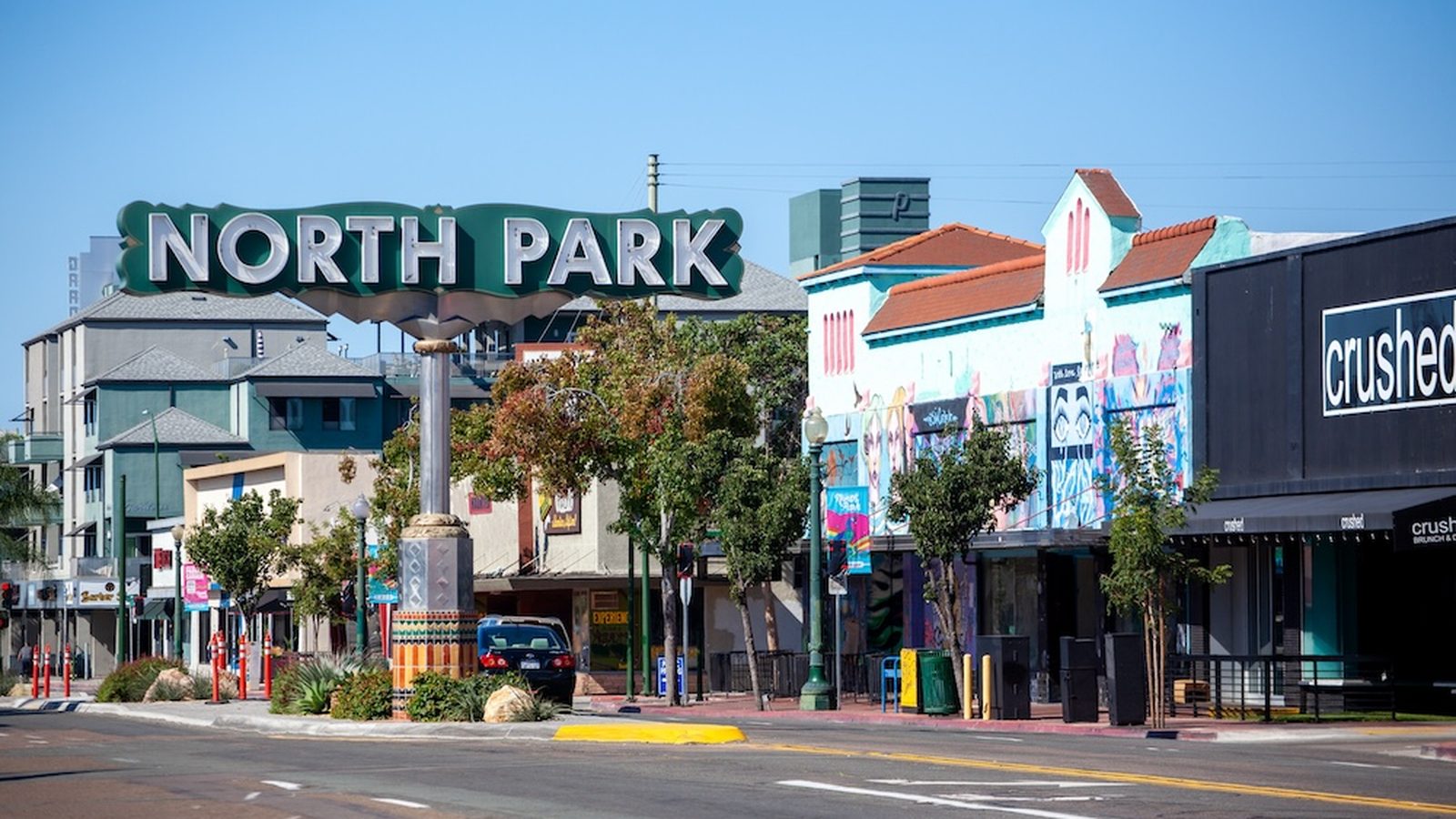
North Park Early 1900s Home Sellers Guide

Your North Park home is likely 100 years old or more. Buyers love the charm. Then their inspectors crawl under the house, and things change.
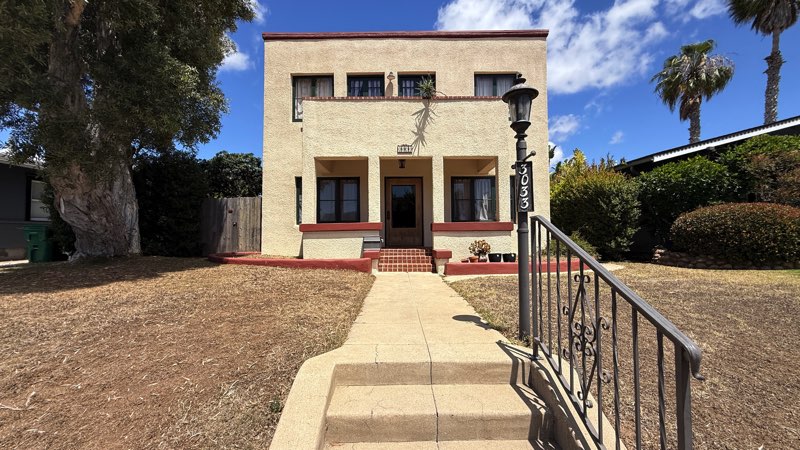
This guide shows you what an inspector will find, so nothing catches you off guard. You do not need to fix every item. You need to know about each one before a buyer does.
Why older North Park homes sell differently
Most homes in North Park went up in the early 1900s. Many are Craftsman bungalows. Some have been lightly updated. Others look brand new inside.
Here is the catch. Even in a “fully remodeled” home, 9 out of 10 times the work stopped at the floor. The new kitchen sits on top of old post and pier supports. The fresh paint hides an old sewer line. A buyer’s inspector will crawl under the house, take photos, and hand those photos to the buyer.
When sellers see those photos for the first time during escrow, they feel blindsided. This guide helps you see them first.
Our team has sold 540+ homes, most of them in North Park, since 2004. We live here, and we have walked through hundreds of homes with crawl spaces with buyers’ inspectors.
Learn more about selling in North Park at North Park Real Estate Experts.
What buyers’ inspectors find in North Park homes
These are the items we see on inspection reports again and again. Most sit under the house, inside the walls, or under the yard. You walk past them every day and never see them.
| What the inspector checks | What they often find | Why buyers care |
|---|---|---|
| Foundation | Old post and pier supports, wood posts on dirt or broken concrete blocks | Floors slope or bounce. Buyers worry about earthquakes. |
| Stemwalls | Cracks in the short concrete walls around the crawl space | Cracks raise questions about settling and water. |
| Drainage | Water pooling by the house, downspouts dumping next to the foundation, damp or muddy crawl space | Water under a house leads to rot, mold, and movement. |
| Electrical | Knob and tube wiring still live in the attic or walls, or a “rewire” that skipped some rooms | Buyers worry about fire safety and getting insurance. |
| Sewer line | Original cast iron or clay pipe running to the street, with cracks, roots, or sags | A sewer camera shows the inside of the pipe. Buyers see the video. |
| Water pipes | Old galvanized steel pipes, often mixed with newer copper or PEX | Low water pressure, rust, and leaks. |
| Termites and wood rot | Termite damage or dry rot in the crawl space, porch, or eaves | Older wood has had decades of exposure. |
| Permits | Rooms, bathrooms, or garage conversions added without permits | Buyers and lenders ask for permits. Unpermitted space is hard to value. |
Why this happens in remodeled homes: most remodels focus on what you see. Kitchens, baths, floors, and paint. The foundation, sewer line, and wiring inside closed walls often stay original.
A few facts to keep in mind:
- Homes built before 1950 likely have knob-and-tube wiring somewhere (Angi).
- Cast iron sewer lines last 50 to 100 years, based on soil and tree roots (Angi). A 1915 sewer line is past both numbers.
- In the City of San Diego, the sewer lateral from your house to the street belongs to you. The city says, “It is your responsibility as a property owner to maintain your sewer lateral” (City of San Diego).
Should you get an inspection before you list?
The answer depends on your home and its condition. Here are the three paths we use with our sellers.
Path 1: Your home is a fixer. You already know about foundation, sewer, roof, or electrical problems. Get an inspection and repair bids before you list. The buyer sees the issues and the costs up front. They price their offer with full information, so they have no surprise to renegotiate over later.
Path 2: Your home needs small fixes. Have an inspector walk through and give you a punch list. Knock out the easy items before photos. Think loose railings, leaky faucets, missing outlet covers, and broken window cords. Small fixes make a home show better and shrink the buyer’s repair list.
Path 3: Your home is in good shape. Here we often skip the pre-inspection. Five inspectors will find five different things. A pre-inspection report becomes something you must disclose, and the buyer will still hire their own inspector.
| Your home | Inspect first? | What you get |
|---|---|---|
| Fixer with known big issues | Yes, plus repair bids | Buyer prices the issues in up front. Fewer renegotiations. |
| Good bones, small fixes | Yes, for a punch list | A cleaner home and a shorter buyer repair list |
| Updated and well kept | Often no | No extra report to disclose. Buyer inspects during escrow. |
When you hire our team, we walk through your home with you and pick the right path together.
Fix it, credit it, or disclose it
You have three choices for each item an inspector finds.
- Fix it before you list. Best for small, cheap items buyers will spot in photos or at showings.
- Give the buyer a credit. Best for big items like sewer or foundation work. The buyer picks their own contractor after closing. You avoid managing a project while you move.
- Disclose it and price it in. Best for a fixer. You tell buyers what you know, share any bids, and set the price to match.
The cost ranges below are national averages from cost guide sites, not San Diego bids. Your bid will depend on your home, the length of the pipe, the number of piers, and access. Get local bids before you decide.
| Item | Typical cost range (national) | Our usual approach |
|---|---|---|
| Sewer camera inspection | $100 to $500 | Do it early. Cheap and answers a big question. |
| Sewer line replacement or lining | $60 to $250 per foot to replace, $90 to $250 per foot to line | Credit or disclose with a bid |
| Rewiring | $2 to $4 per square foot, plus about $5,000 to remove knob and tube and $200 to $500 for permits | Credit or disclose with a bid |
| Post and pier repair | $300 to $1,000+ per post for a new post and pier block. $1,000 to $3,000 per pier when the contractor digs a new concrete footing. | Credit or disclose with a structural report |
| Re-leveling floors (reshimming) | $1,200 to $4,000 | Credit or disclose |
| Exterior French drain | $500 to $10,000 | Fix simple items like downspout extensions. Credit or disclose larger drainage work. |
Sources: Angi sewer line costs, Angi rewiring costs, Angi floor leveling, Angi French drain costs.
Post and pier sources: InspectandTest crawl space repair guide ($300 to $1,000+ per post installed), CrawlLocal crawl space repair cost ($1,000 to $3,000 per pier with a new footing). Most jobs fix several posts, so multiply by the number your inspector flags.
Below are a few San Diego contractors we trust for sewer, foundation, and electrical bids.
Craftsman Foundation –https://craftsmanfoundation.com/
Trident Pipelining – 619-586-3948
Electrical Insight Inc. – (760) 304-9070
Disclosures and historic homes
In California, you must tell buyers what you know about your home. The main form is the Transfer Disclosure Statement, set out in California Civil Code 1102.6. You will also fill out a Seller Property Questionnaire with more detailed questions.
The rule of thumb we give every seller: if you know about it, disclose it. A past sewer backup, a crack you patched, a room added without a permit. Telling buyers up front protects you after the sale.
Gather these before you list:
Permits and final sign-offs for any remodel, addition, or garage conversion
Receipts and warranties for roof, sewer, electrical, plumbing, or foundation work
Any old inspection reports, termite reports, or sewer videos
Repair bids you already have
Your Mills Act agreement, if you have one
Mills Act and historic designation
Some North Park homes carry a local historic designation and a Mills Act agreement. The Mills Act lowers property taxes on designated historic homes. The City of San Diego says savings “have ranged from 20% to 70%” (City of San Diego).
Two things matter when you sell:
- The agreement stays with the house. The city says “the Mills Act benefits go with the land,” so your buyer takes over the tax savings.
- The buyer also takes over the duties. The owner must maintain and preserve the home under historic standards. Work on the home must follow the city’s historic rules.
A Mills Act home is a selling point for the right buyer. We show buyers the tax savings in dollars so they see the value.
Your seller checklist and timeline
Here is the order we follow with our North Park sellers.
- Walk-through with our team (week 1). We look at your home together, go over what you know, and pick your inspection path.
- Gather your paperwork (week 1). Permits, receipts, warranties, and any old reports from the list above.
- Sewer camera and inspections (weeks 1 to 2). Based on your path, order a sewer camera, a home inspection, or a punch list walk-through.
- Repair bids (weeks 2 to 3). For big items, get written bids from licensed contractors. Bids help you price the home or set a credit.
- Fix the small stuff (weeks 2 to 4). Punch list items, downspout extensions, paint touch-ups, yard cleanup.
- Disclosures (before going live). Fill out your disclosure forms. Attach reports and bids.
- Prep, photos, and launch. Staging, professional photos, video, and open houses.
- Offers and negotiation. We review each offer with you, including how the buyer handles inspections.
- Buyer’s inspection period. The buyer’s inspector visits. Because you already know what’s under the house, nothing in their report surprises you.
- Closing. Sign, hand over keys, and move on to your next home.
Quick self-check before you call us:
I know where my sewer line runs and what it’s made of
I know if my home has any knob and tube wiring
I have looked in my crawl space, or had someone look
My downspouts carry water away from the house
I have permits for any additions or conversions
I have receipts for big repairs
I know if my home has a Mills Act agreement
A North Park seller story
[EDIT ME: Share a real story, no names. Example format: The home on (street) had a new kitchen and baths. The buyer’s sewer camera found a cracked cast iron line with roots. The bid came in at $(amount). We (gave a credit / split the cost / had it fixed) and the sale closed on time.]
Questions North Park sellers ask us
My home was fully remodeled. Do I still need to worry? Often, yes. Most remodels update what you see. The foundation, sewer line, and wiring behind finished walls often stay original.
Do I have to fix everything the buyer’s inspector finds? No. California does not require you to fix most items an inspector finds. A few safety items are required, like smoke and carbon monoxide detectors and water heater strapping. You must disclose what you know. Buyers then ask for repairs, a credit, or a lower price, and we negotiate.
What is the one test you suggest for almost every older home? A sewer camera inspection. It costs $100 to $500 and shows the inside of your sewer line (Angi). Sewer lines are one of the most common surprises we see in North Park.
Who pays for the sewer line to the street? In the City of San Diego, you do. The sewer lateral is the property owner’s job to maintain (City of San Diego).
Will a pre-inspection help or hurt me? It depends on your home. Pre-inspections help fixers and homes needing a punch list. For a well-kept home, we often skip one. See the three paths above.
Talk to a North Park listing expert
We have sold 540+ homes, mostly in North Park, and we know what sits under these older houses. Call or text Z at 619-985-0963 for a walk-through of your home. We’ll tell you what an inspector will likely find and which path fits you.