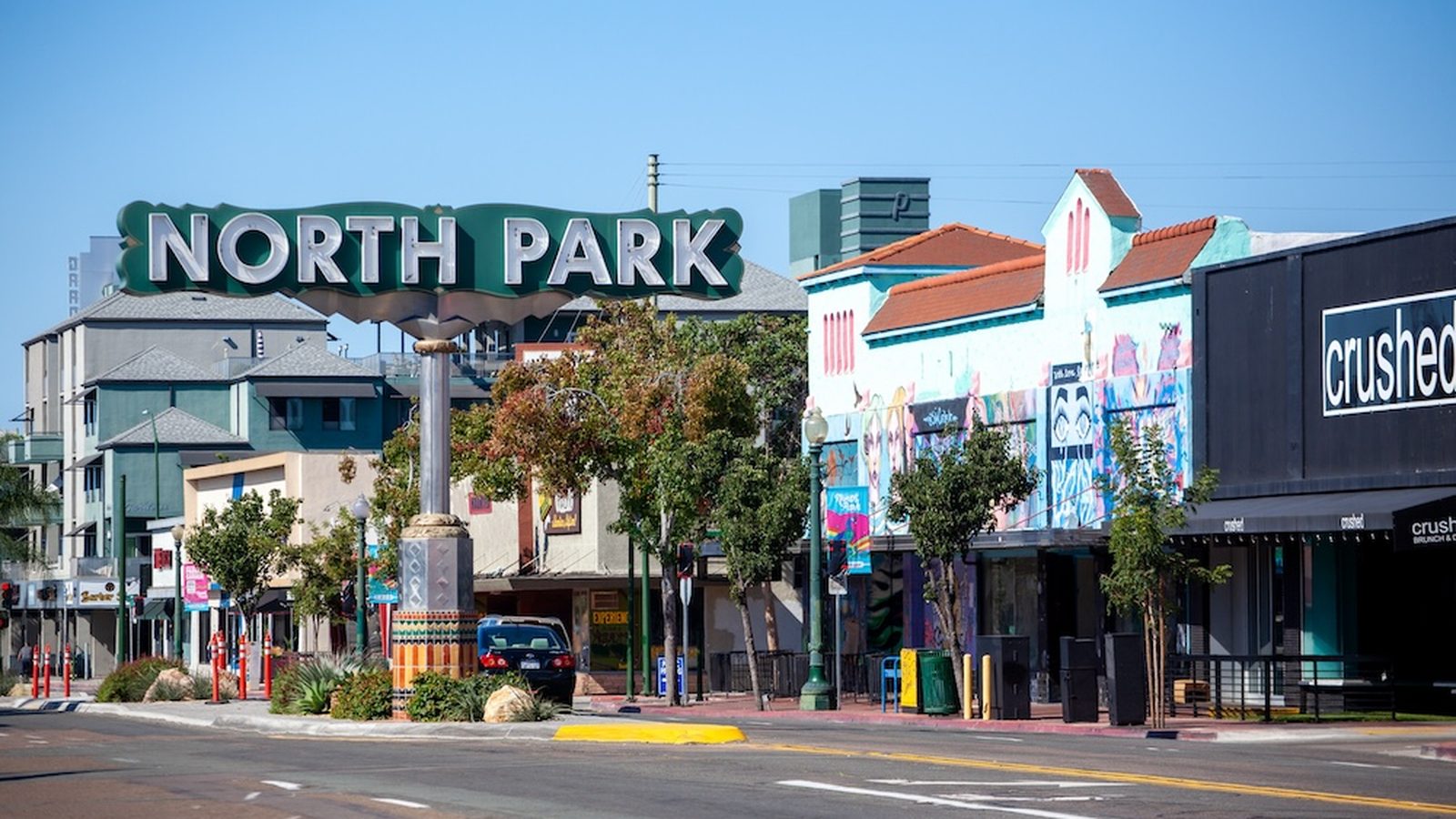
Selling a North Park Home with an Unpermitted ADU: What 55+ Sellers Need to Know
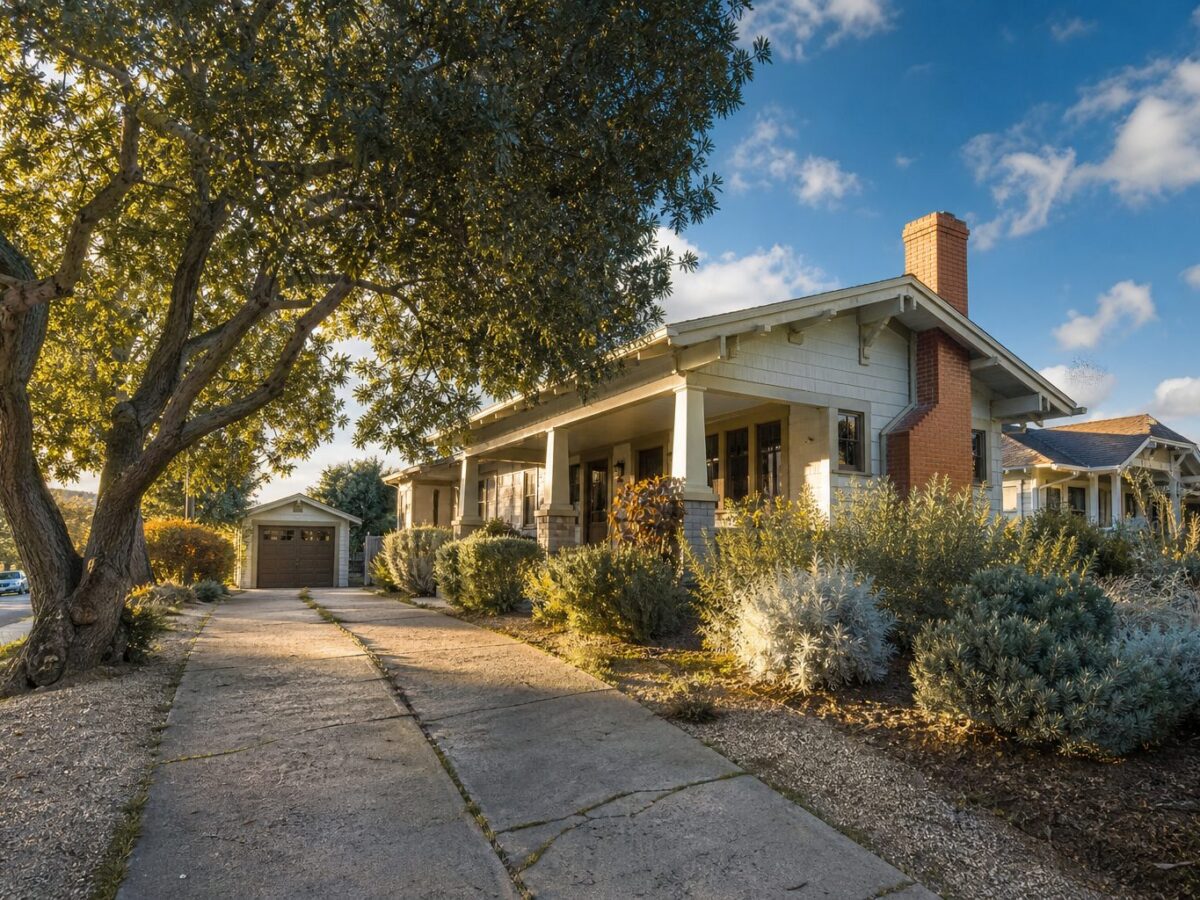
If you’re a 55+ homeowner in North Park, San Diego, thinking about selling a property with an unpermitted ADU, what are your options, and how much could it cost you?
You have three clear paths: legalize the ADU under California’s AB 2533 amnesty program, sell as-is with full disclosure at a potential discount, or restore the space to its original permitted use. The right choice depends on your timeline, your budget, and how much equity you want to protect.
Why This Matters Right Now in North Park
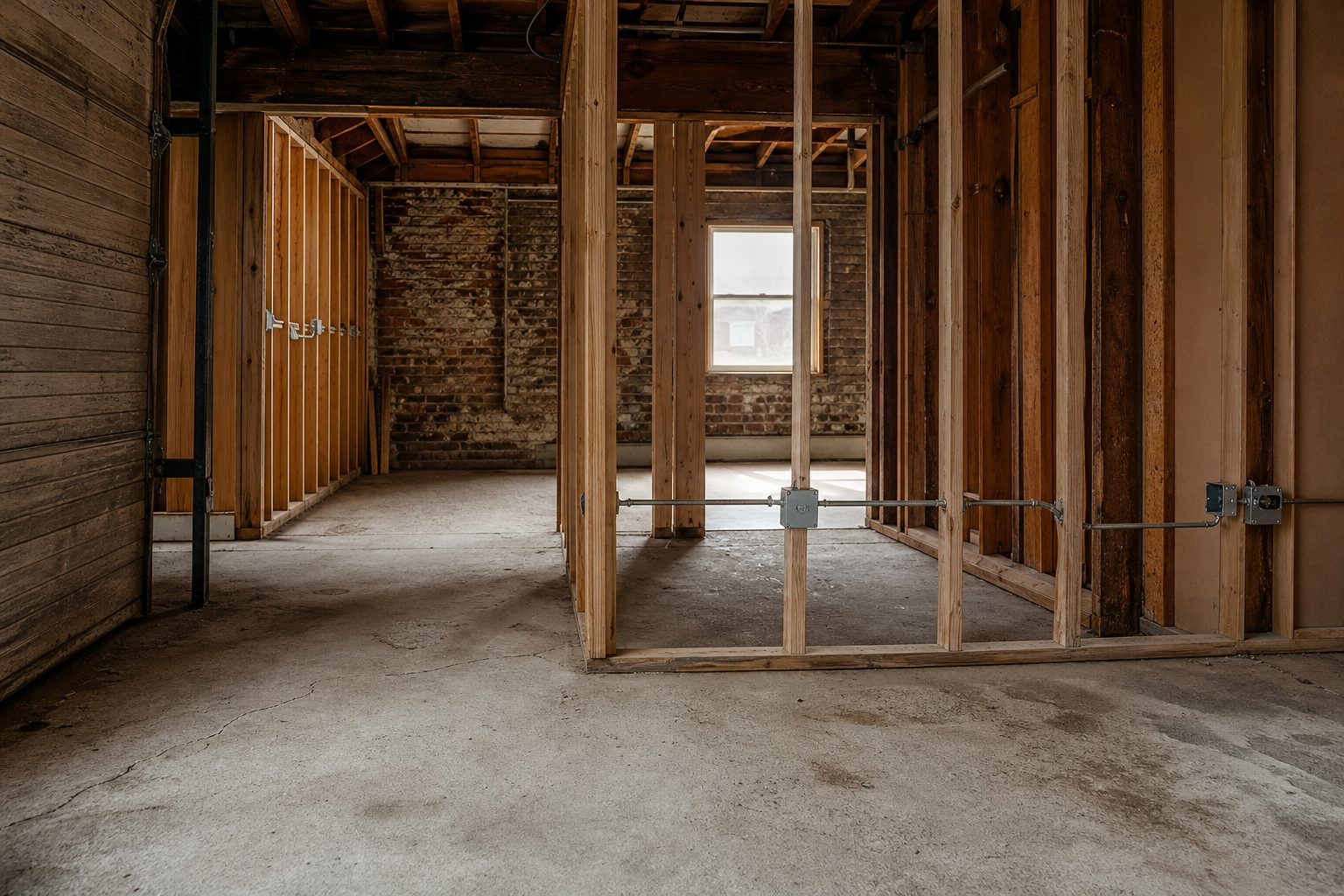
North Park is full of homes built in the early 1900s, and over the decades, many of those properties gained garage conversions, backyard studios, and in-law suites that were never permitted. Thousands of San Diego County garages have been converted to living space over the years without permits, per city records. If you’ve owned your North Park home for 20 or 30 years, there’s a good chance some work was done without pulling a permit, whether you did it yourself or inherited the situation from a previous owner.
Here’s what makes 2026 different: California’s AB 2533 amnesty law now extends a legalization pathway for unpermitted ADUs built before January 1, 2020. At the same time, properties with unpermitted ADUs sell at 10% to 20% discounts compared to similar properties with permitted units, according to California housing market analyses. On a North Park home where the median single-family sale price is $1,230,000 as of October 2026 (per San Diego MLS closed sales from July to October 2026), that discount could mean leaving well over $100,000 on the table. For a downsizer counting on that equity to fund your next chapter, those numbers matter.
How Unpermitted ADUs Affect Your North Park Home Sale
So what actually happens when you try to sell a North Park home that has an unpermitted ADU? Let me walk you through the reality.
First, California law requires you to disclose all known material facts about your property. An unpermitted ADU is absolutely a material fact. You cannot hide it, and you should not try. I know this firsthand because I’ve sold my own home that had an ADU done without permits. Although my intentions were only to use it as an office and for family guests, I made sure this was fully disclosed so the buyer knew the situation up front. Transparency protects you legally and builds trust with buyers.
Second, the buyer’s lender may have issues. Many conventional lenders will not count the square footage of an unpermitted structure in their appraisal, which can lower the appraised value and create financing headaches. This tends to narrow your buyer pool to cash buyers and investors, which often means lower offers.
Third, your insurance exposure changes. If an unpermitted structure causes damage or injury, your homeowner’s insurance policy may not cover it. Buyers and their agents know this, and it gives them leverage to negotiate your price down.
With 540 transactions closed and the majority in North Park and surrounding neighborhoods, I can tell you that the disclosure conversation around unpermitted work comes up constantly in 92104. Many of the Craftsman bungalows along streets near the 30th Street corridor and the Spanish Revival homes closer to Morley Field have had some kind of addition or conversion over the decades. It is far more common than most sellers realize.
Your Three Options for Selling in North Park with an Unpermitted ADU
You essentially have three paths forward. Each one comes with trade-offs.
Option 1: Legalize the ADU Before You List
This is the path that protects the most equity. Under AB 2533, if your ADU was built before January 1, 2020, you can apply for amnesty. The law specifically prohibits local agencies from denying permits based solely on the prior lack of authorization. Instead, the city must provide a Substandard Housing Inspection Checklist identifying required health and safety fixes.
AB 2533 also eliminates penalties and fines, which can save $8,000 to $20,000 compared to traditional legalization, per the legislation’s fiscal analysis. Total legalization costs run $10,000 to $60,000 depending on the corrections needed, with a timeline of 4 to 8 months from application to completion.
I’ve lived this process myself. I had an unpermitted ADU in my current home that I used for work and family. When a neighbor called the city, I had to go through the permitting process. It was stressful, but I got it done, and now I don’t have to worry about it. My property has increased in value as a result. That peace of mind, both for me and for any future buyer, is worth the effort.
Once permitted, your ADU dramatically broadens your buyer pool. Investors, house-hackers, and multigenerational families are all actively looking for properties with legal ADUs in North Park. And under AB 1033, which the City of San Diego activated on August 22, 2025, a permitted ADU can potentially be sold separately through a condominium conversion process.
Option 2: Sell As-Is with Full Disclosure
If you need to move quickly, or if the cost and timeline of legalization do not fit your situation, selling as-is is a legitimate option. You disclose the unpermitted status, price accordingly, and market the property to cash buyers and investors who specialize in legalization.
The trade-off is real: expect that 10% to 20% discount. On a North Park home valued around the current median, that is a significant amount of money. But for some sellers, the speed and simplicity of this approach outweigh the financial hit.
What I tell my clients in this situation is to weigh their total carrying costs. If legalizing takes 6 months and you are paying property taxes, insurance, utilities, and maintenance on a home you are not living in, those costs add up. Sometimes selling as-is and closing in 30 days is the smarter financial decision.
Option 3: Remove the Unpermitted Structure
This is the least common choice, but it makes sense in certain scenarios. If your garage conversion or backyard unit has significant code violations that would cost more to fix than the ADU adds in value, you can restore the space to its original permitted use. This eliminates the disclosure issue entirely.
The North Park Market Advantage for 55+ Sellers in 2026
Here’s the good news: you are selling in one of the strongest micro-markets in San Diego. As of October 2026, detached homes in 92104 had just 1.9 months of inventory, per San Diego MLS data. A balanced market is six months, which means North Park remains firmly a seller’s market.
Detached homes sold at 98.8% of list price in Q3 2026, per Q3 market reporting, and the median days on market was just 14 days. That kind of demand gives you real leverage, even with an unpermitted ADU on the property.
For 55+ sellers who are downsizing, the financial picture has additional bright spots. California’s Prop 19 allows homeowners 55 and older to transfer their property tax base to a replacement home anywhere in the state, up to three times. If you purchased your North Park home decades ago at a fraction of today’s value, this can save you thousands of dollars per year in property taxes on your next home. And under IRS Section 121, single filers can exclude up to $250,000 in capital gains, while married couples can exclude up to $500,000, from the sale of a primary residence.
Key California Laws North Park Sellers Should Understand in 2026
Beyond AB 2533, several laws affect your ADU situation:
- AB 976 permanently eliminated the owner-occupancy requirement for standard ADUs. You do not need to live on the lot to build or rent an ADU in San Diego, per the legislation.
- AB 1033 allows the separate sale of ADUs through condominium conversion. The City of San Diego activated this on August 22, 2025.
- SB 543, starting in 2026, adds a 15-business-day completeness review on top of the existing 60-day permitting clock, with an automatic deemed-approved outcome if the city misses its deadline.
Over 2,500 unpermitted California ADU legalization applications were filed in Q1 2026 alone, according to state housing data. The trend is clear: homeowners across the state are taking advantage of these amnesty provisions.
How to Prepare Your North Park Home for a Successful Sale
Whether you legalize or sell as-is, preparation matters. Having closed over 540 transactions, with the majority in North Park, I know that strategic pricing, professional staging, and sharing inspection reports with buyers up front can dramatically change outcomes in 92104.
As one past client put it: “We originally planned to sell our North Park home off-market, but realized we needed a more professional approach, as the property needed quite a bit of work. We contacted Z and the McT Real Estate Group because of their experience selling homes in North Park. Z reviewed everything with us and was very patient throughout the entire process. Within a week we received 8 offers, and the home ultimately sold as-is for $925K. They shared the inspection reports with buyers up front, so everyone knew the property’s condition from the beginning.”
That approach, leading with transparency and backing it up with a strong marketing strategy, is exactly how I handle homes with unpermitted work. Buyers in North Park, especially those looking near the Dryden Historic District or the walkable blocks around 30th Street and University Avenue, are often willing to take on projects. They just need to understand what they are getting into.
Frequently Asked Questions
Do I have to disclose an unpermitted ADU when selling in North Park?
Yes. California law requires sellers to disclose all known material facts about a property. An unpermitted ADU is a material fact. Failing to disclose can expose you to lawsuits after closing. Full transparency protects you legally and often results in smoother negotiations with informed buyers.
How much does it cost to legalize an unpermitted ADU in San Diego?
Under AB 2533, total legalization costs run $10,000 to $60,000 depending on the corrections needed, per the legislation’s fiscal analysis. The law also eliminates penalties and fines, saving an additional $8,000 to $20,000 compared to traditional legalization routes.
How long does the AB 2533 amnesty process take?
The typical timeline is 4 to 8 months from application to completion, depending on the scope of health and safety corrections required. SB 543 adds accountability by imposing a 15-business-day completeness review and automatic deemed-approved provisions if the city misses its deadline.
Does an unpermitted ADU lower my North Park home’s value?
Properties with unpermitted ADUs sell at 10% to 20% discounts compared to similar properties with permitted units, per California housing market data. With the median single-family sale price in 92104 at $1,230,000 as of October 2026 (per San Diego MLS), that discount can be substantial.
Can I sell my North Park ADU separately from the main house?
Potentially, yes. The City of San Diego activated AB 1033 on August 22, 2025, which allows for the separate sale of ADUs through a condominium conversion process. However, the ADU must be fully permitted first.
Does AB 2533 apply to ADUs built after 2020?
No. AB 2533 extends amnesty specifically for unpermitted ADUs built before January 1, 2020. ADUs constructed after that date must go through the standard permitting process.
Will a buyer’s lender finance a home with an unpermitted ADU?
Many conventional lenders will not count the square footage of an unpermitted structure in their appraisal. This can lower the appraised value and limit financing options. Cash buyers and investors are typically the most active buyers for properties with unpermitted units.
Do I need to live in my home to have an ADU in San Diego?
No. Thanks to AB 976, California permanently eliminated the owner-occupancy requirement for standard ADUs. A San Diego property owner does not need to live on the lot to build an ADU or rent one out.
What if my unpermitted ADU has serious code violations?
If the cost of bringing the structure up to code exceeds the value it adds to your property, you may want to restore the space to its original permitted use. This eliminates disclosure issues entirely, though you lose the additional living space.
Should I legalize my ADU or sell as-is in North Park?
It depends on your timeline and financial goals. If you can wait 4 to 8 months, legalization protects significantly more equity and broadens your buyer pool. If speed is the priority, selling as-is with full disclosure and strategic pricing can still produce strong results in a market where detached homes have just 1.9 months of inventory, as of October 2026 per San Diego MLS data.
The Bottom Line
If you are a 55+ homeowner in North Park considering a sale, your unpermitted ADU does not have to be a deal-breaker. California’s 2026 legal framework gives you more options than ever, and North Park’s strong seller’s market, rated 4.9 out of 5 stars by 303 past clients, gives you leverage. I’ve personally navigated the unpermitted ADU process on my own properties, and I’ve helped hundreds of North Park homeowners through complex sales involving older homes with foundation, plumbing, electrical, and permitting challenges. If you want a clear-eyed assessment of your specific property and what path makes the most financial sense, call me at 619-736-7003. I’m Z McT-Contreras with the McT Real Estate Group, and I’ve been selling North Park homes street by street since 2004. Let’s figure out your best move.