
Best SDG&E Plan for Working From Home in North Park, San Diego
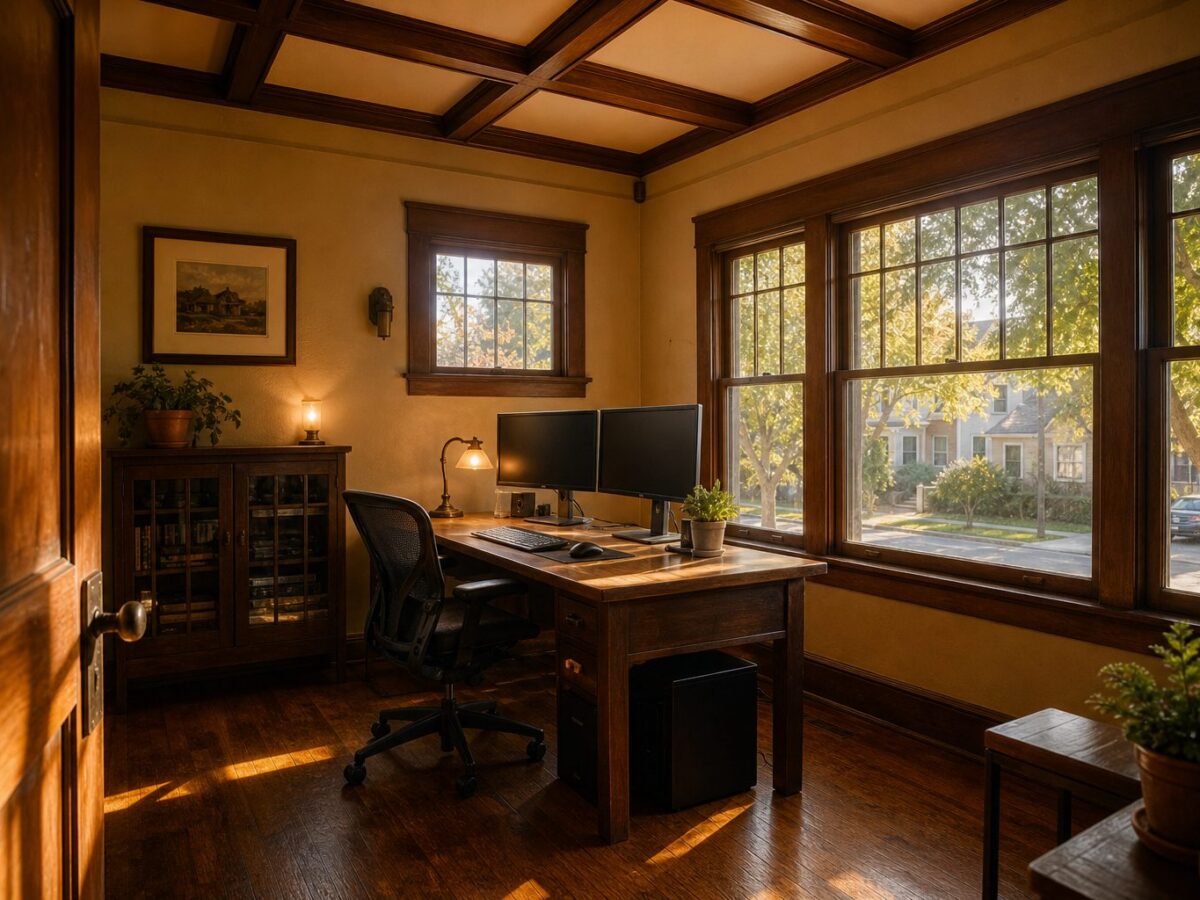
What is the best SDG&E rate plan if you work from home in North Park, San Diego?
If you work from home in North Park, the SDG&E TOU-DR1 plan is typically your best starting point, but your ideal choice depends on your home’s age, size, and whether you have solar panels installed.
Why This Matters Right Now for North Park Homeowners
Here’s something I see constantly as part of the McT Real Estate Group: buyers moving into North Park fall in love with the Craftsman bungalows and Spanish Revival homes along 30th Street, then get their first SDG&E bill and wonder what happened. SDG&E rates are among the highest in the nation, and when you’re running a computer, monitors, lighting, and climate control for eight or more hours every workday, those costs add up fast.
North Park’s housing stock makes this even more relevant. Most homes here were built in the 1920s through 1940s, and many still have original single-pane windows, limited insulation, and older HVAC systems. That architectural charm you’re paying a premium for (the median detached home in North Park sold for $1,170,000 in Q3 2026, per San Diego MLS data) comes with real energy efficiency trade-offs. Whether you’re moving up into a larger Craftsman or downsizing into a walkable condo near University Avenue, choosing the right rate plan can save you hundreds of dollars a year.
Understanding SDG&E Rate Plans Available in North Park
Before you can pick the right plan, you need to understand what SDG&E actually offers residential customers. There are three main options worth evaluating.
TOU-DR1: The Default Time-of-Use Plan
This is SDG&E’s standard residential plan. Most North Park homeowners are on TOU-DR1 unless they switched. The plan splits your day into three price windows.
Weekdays:
- Super off-peak (midnight to 6 AM, and 10 AM to 2 PM): The cheapest power SDG&E sells
- Off-peak (6 AM to 10 AM, 2 PM to 4 PM, and 9 PM to midnight): Lower rates
- On-peak (4 PM to 9 PM): The most expensive window
Weekends and holidays:
- Super off-peak runs from midnight to 2 PM
- On-peak still runs 4 PM to 9 PM
The midday window is new. Before May 2026, SDG&E offered 10 AM to 2 PM super off-peak pricing only in March and April. Now you get it on every weekday, all year.
Working from home in your North Park bungalow near Upas Street puts the middle of your workday in the cheapest window SDG&E offers. Run the dishwasher, washer, and dryer at lunch instead of after dinner. If you charge an EV at home, plug in during those midday hours too.
TOU-DR2: The Alternative Time-of-Use Plan
This option features different peak and off-peak windows. For some usage patterns, it can produce savings, but you need to compare your actual consumption data to determine whether it beats TOU-DR1 for your household.
DR: The Standard Tiered Rate Plan
This is the non-time-of-use option. Your rate is based on how much total electricity you consume, not when you consume it. For downsizers moving into a smaller North Park condo with lower overall energy needs, this plan can sometimes be the simpler, more cost-effective choice since you are not penalized for running the air conditioning at 5 PM on a hot August afternoon.
How North Park’s Older Homes Affect Your Energy Bill
So why does this matter more in North Park than in, say, a newer subdivision elsewhere in San Diego? Having sold 540 homes, predominantly in North Park and nearby metro areas, I can tell you that the housing stock here creates unique energy challenges that directly impact which rate plan makes sense.
Most North Park lots run between 4,000 and 6,500 square feet, and the homes occupy a large share of those lots. The Craftsman bungalows and Spanish Revivals that define this neighborhood, the ones clustered along the quieter residential blocks south of 30th Street toward Upas, were built long before modern insulation standards existed. Single-pane windows, minimal attic insulation, and older electrical panels are common.
If you’re a move-up buyer purchasing a detached home in the $1M to $1.5M range (19 homes sold in that bracket in Q3 2026, per MLS data, at a median of 16 days on market), you should budget for higher baseline energy costs than a comparable-sized newer home would produce. What I tell my clients is to factor energy upgrades into their renovation budget from the start: dual-pane windows, attic insulation, and a modern mini-split HVAC system can meaningfully change your monthly bill.
For downsizers considering a condo (the median condo sold for $525,000 in Q3 2026, per San Diego MLS data), newer construction built after 2015 typically has better insulation and more efficient systems built in, which makes the tiered DR plan a legitimate contender.
Choosing the Right Plan Based on Your North Park Work-From-Home Setup
Your ideal SDG&E plan depends on three variables: when you use electricity, how much you use, and whether you have solar.
If You Work Standard Daytime Hours From Home
Most of your workday now lands in TOU-DR1’s cheapest windows. Since May 2026, weekdays from 10 AM to 2 PM are super off-peak all year, and the hours around them are off-peak. Your computer setup, lighting, and moderate climate control all run at lower rates. The expensive 4 PM to 9 PM window overlaps with finishing work and cooking dinner. Run laundry, dishwasher cycles, and EV charging between 10 AM and 2 PM, and TOU-DR1 typically produces the best results.
If You Work Irregular or Evening Hours
If your work-from-home schedule pushes significant electricity use into the 4 PM to 9 PM window, the tiered DR plan may save you money because it does not penalize you for when you use power, only how much total you use.
If You Have Solar Panels
Many North Park homes have south-facing roofs well-suited for solar installation. Solar can reduce your SDG&E costs significantly, and under SDG&E’s Net Energy Metering programs, a time-of-use plan becomes even more advantageous because you’re generating power during daylight off-peak hours and drawing from the grid primarily during cheaper windows.
If You’re in a Condo With HOA Restrictions
Condo owners near 30th Street and University Avenue often face HOA restrictions on solar panel installation due to shared roofs. In that case, you’re working purely with rate plan optimization. For a smaller unit with moderate usage, compare TOU-DR1 and the tiered DR plan using SDG&E’s online plan comparison tool, which analyzes your actual past 12 months of usage data.

Practical Energy-Saving Tips for North Park Remote Workers
Choosing the right plan is step one. Step two is reducing your consumption regardless of which plan you’re on.
- Leverage North Park’s mild climate. San Diego’s coastal influence means heating costs are minimal. Open windows on mild days instead of running the HVAC, especially in the mornings when you’re working during off-peak hours.
- Address your home’s thermal envelope. If you’re buying a Craftsman bungalow on the eastern edges of North Park closer to I-805 (where fixer-uppers often sell between $850K and $1.1M, per MLS data), insulation upgrades and window replacements pay for themselves through energy savings over time.
- Use a smart thermostat. Program it to reduce cooling before the 4 PM on-peak window starts, then let the home coast through the expensive hours.
- Take advantage of walkability. With a Walk Score of 86 in North Park, you can walk to Communal Coffee or Lestat’s Coffee House for a change of scenery instead of running your home office setup all day. Tiger!Tiger! on El Cajon Boulevard and the cafes along 30th Street offer excellent afternoon work environments.
How Your SDG&E Plan Connects to Your North Park Home Purchase
This is the part most real estate conversations miss. When I’m helping clients evaluate homes in North Park, energy costs come up in nearly every transaction involving a work-from-home buyer. It is part of understanding the true cost of ownership.
If you’re looking at a 1,200 square foot bungalow near North Park Way, your monthly electric bill working from home could run roughly $150 to $250 per month. Scale up to an 1,800 square foot detached home, and that number can climb to $200 to $350 per month, per general SDG&E residential estimates, especially if the home has not been updated with modern insulation or HVAC.
As one of our past clients noted: “Z listened to our goals, created a clear strategy, and guided us through every step.” That kind of comprehensive guidance includes understanding not just the purchase price but the ongoing costs of living in a North Park home.
Frequently Asked Questions
What is the default SDG&E rate plan for North Park homeowners?
The default plan is TOU-DR1, a time-of-use structure that charges lower rates during off-peak hours and higher rates between 4 PM and 9 PM. Most residential customers in 92104 are automatically placed on this plan unless they actively request a change through their SDG&E account.
Can I switch SDG&E plans at any time?
Yes. SDG&E allows residential customers to switch between available rate plans through their online account portal. You can use SDG&E’s plan comparison tool, which analyzes your actual usage history to estimate which plan would produce the lowest bill based on your consumption patterns.
Is the tiered DR plan better for work-from-home professionals in North Park?
It depends on your usage level and timing. If you consume moderate amounts of electricity spread evenly throughout the day, including during the 4 PM to 9 PM window, the tiered DR plan avoids time-based penalties. For lower-usage condo dwellers in North Park, this can sometimes be the more cost-effective option.
How do North Park’s older homes affect SDG&E costs?
Homes built in the 1920s through 1940s, which make up much of North Park’s housing stock, typically have less insulation, single-pane windows, and older HVAC systems. This means higher cooling costs in summer months (June through October) and higher overall electricity consumption compared to newer construction.
Is solar worth it for a North Park home?
Many North Park detached homes have south-facing roofs suitable for solar panels, which can meaningfully reduce SDG&E costs. However, condo owners often face HOA restrictions on shared roofs. If you’re purchasing a detached home, evaluating solar at the time of purchase allows you to potentially roll the cost into your mortgage.
What are SDG&E’s on-peak hours?
Under the TOU-DR1 plan, on-peak hours run from 4 PM to 9 PM daily. This is when electricity is most expensive. Work-from-home professionals who run heavy appliances between 10 AM and 2 PM on weekdays pay the super off-peak rate instead.
Does SDG&E offer any discounts for remote workers?
SDG&E does not currently offer a specific remote-worker discount. However, programs like CARE (California Alternate Rates for Energy) and FERA (Family Electric Rate Assistance) are available for income-qualifying households. Check SDG&E’s eligibility requirements to see if your household qualifies.
How much does a work-from-home setup add to my electric bill in North Park?
A typical home office setup with a computer, monitor, desk lamp, and occasional climate control adds roughly $30 to $60 per month to a standard residential electric bill, depending on equipment and usage intensity. The bigger variable in North Park is HVAC costs in older homes during summer.
Should I consider a battery storage system with solar in North Park?
Battery storage allows you to store solar energy generated during the day and use it during expensive on-peak evening hours. For work-from-home professionals who are already generating solar during daytime off-peak hours, adding a battery can maximize your savings by further reducing grid dependence during the 4 PM to 9 PM window.
What is the super off-peak rate window on SDG&E’s TOU-DR1 plan?
On weekdays, super off-peak runs from midnight to 6 AM and from 10 AM to 2 PM, all year. On weekends and holidays, it runs from midnight to 2 PM. Since May 2026, the 10 AM to 2 PM window applies year-round instead of only in March and April. Schedule laundry, dishwasher cycles, and EV charging in these hours to pay the lowest rate.
The Bottom Line
If you work from home in North Park, your best SDG&E plan likely starts with TOU-DR1, especially if your workday falls during standard daytime hours and you can shift heavy appliance use outside the 4 PM to 9 PM on-peak window. Downsizers moving into smaller condos with moderate usage should compare TOU-DR1 against the tiered DR plan using their actual consumption data.
But the rate plan is only part of the equation. In a neighborhood where homes were built a century ago, understanding your property’s energy profile is essential to managing total cost of ownership. That is something I help my clients navigate every day at the McT Real Estate Group, where we’ve closed over 540 transactions, predominantly right here in North Park. If you’re buying or selling in North Park and want someone who knows these homes street by street, including the energy quirks that come with Craftsman bungalows and Spanish Revivals, give me a call at 619-736-7003.